
RetroArch is a modular program that runs emulators and games within its framework as if they were 'plugins'.
These plugins are called 'cores', and you need to install them inside RetroArch to be able to use them.
These cores can also be used in other programs that implement the Libretro Application Programming Interface (API).
Both Libretro and RetroArch were made by the same developers, and RetroArch serves to demonstrate Libretro's power and scope.
On most platforms (except game consoles and certain mobile platforms), RetroArch comes with dynamic module loading support.
On these systems, you will be able to install and/or update new cores as they become available on our buildbot.
To access these, go to RetroArch's main menu, select 'Online Updater', and then select 'Update Cores'.
You don't need to download a new version of RetroArch in order to be able to run new or updated cores!
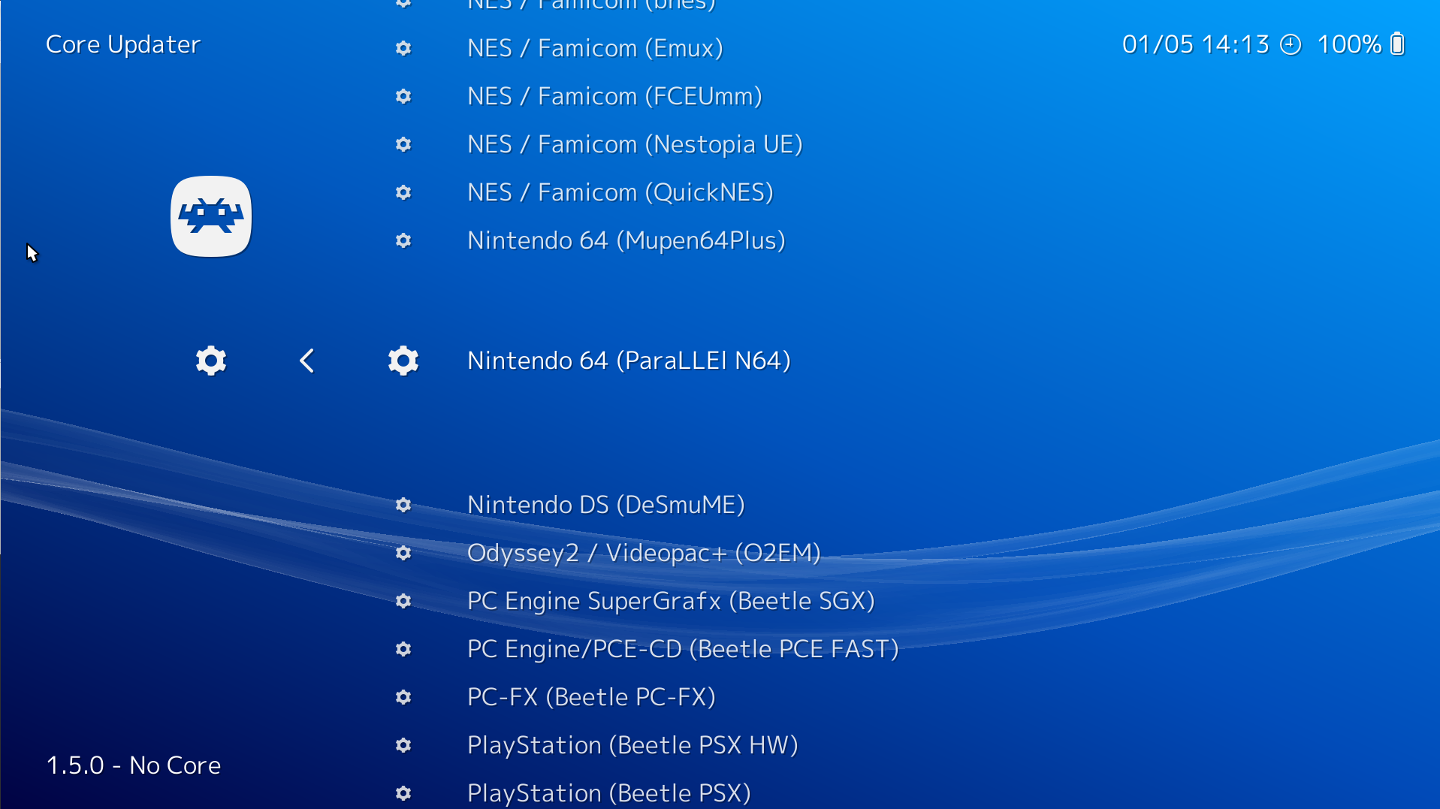
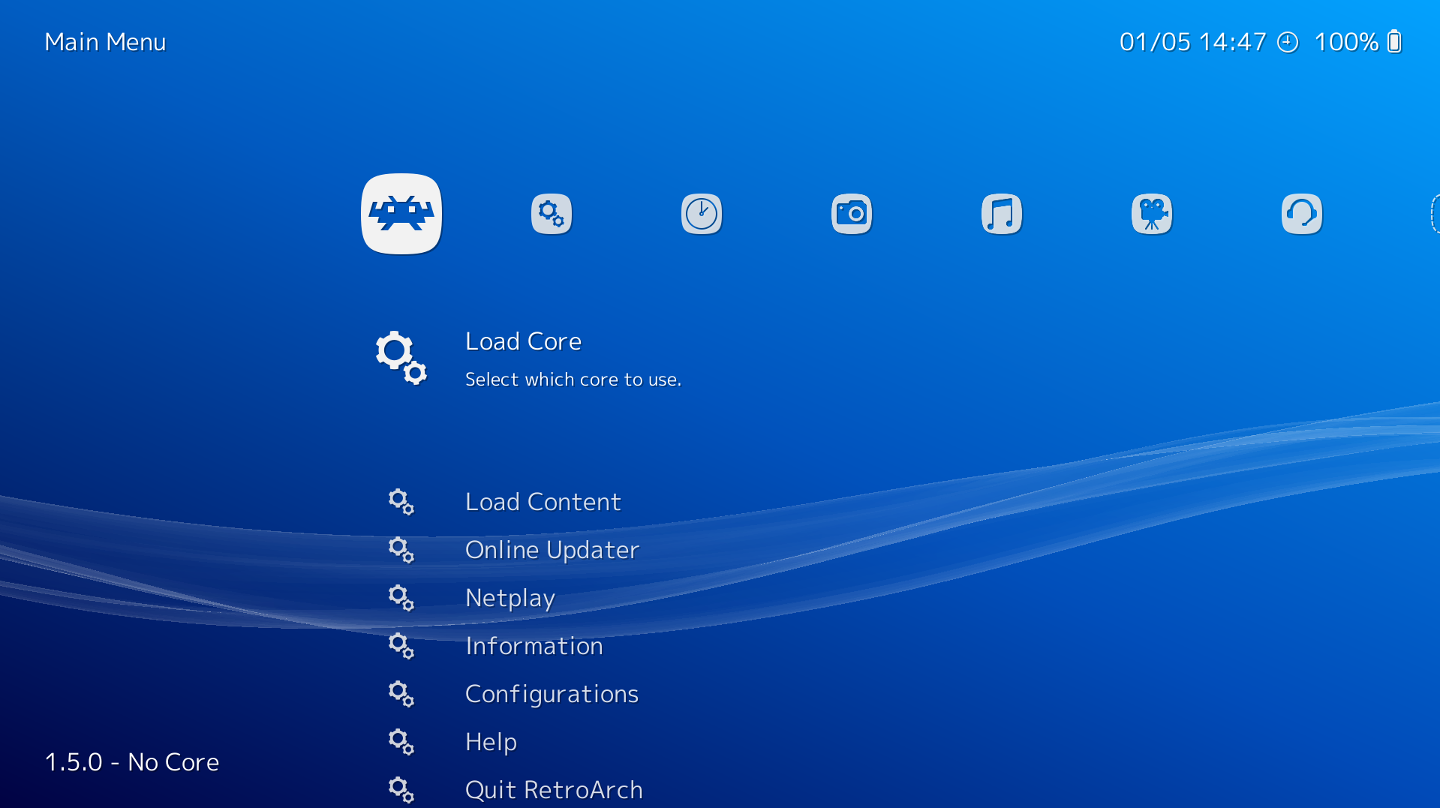
Once a core is installed, you can load a core by going to the Main Menu and selecting 'Load Core'. Every core that has been installed already will be shown in a list.
After you have made your choice, you can then select the 'content' for that core by going to 'Load Content'. The content that is supported by the core will be shown inside the file browser.
Some cores, like 2048, do not require any content in order to work. In this case, after you have loaded the core, 'Start Core' will appear inside the main menu. Select this to start the core directly.
The libretro core library keeps getting bigger over time, and there is always something new that gets added to our servers. So be sure to visit the 'Update Cores' section daily on RetroArch. Cores get added and/or updated constantly!
If you'd like to learn more about libretro, or you are a developer interested in learning how to use it for your own projects, visit the Libretro website here.

The Libretro API is a lightweight C programming language-based Application Programming Interface (API) that exposes generic audio, video, and input callbacks. Developers of "cores" such as standalone games, game emulators, media players, and other applications don’t have to worry about writing different video drivers for Direct3D, OpenGL, Vulkan, or worrying about catering to all possible input APIs, sound APIs, gamepads, etc.
When you choose to use the libretro API, your program gets turned into a single library file (called a ‘libretro core’). A frontend that supports the libretro API can then load that library file and run the app. The frontend’s responsibility is to provide all the implementation-specific details. The libretro core’s responsibility is solely to provide the main program.
Any project that is ported to work with this API can be made to run on ANY libretro frontend – now and forever. You maintain a single codebase that only deals with the main program, and you then target one single API (libretro) in order to port your program over to multiple platforms at once. A libretro core written in portable C or C++ can run seamlessly on many platforms with very little or no porting effort. Libretro bindings for other languages are growing increasingly common and comprehensive as well.
Libretro is an open specification that is 100% free to implement, with no licensing fees or strings attached. Our reference frontend is RetroArch. The two projects are not the same, and this is reflected in the licensing. RetroArch is licensed via GPLv3 whereas the libretro API is a MIT-licensed API.
RetroArch/Libretro has over 200 cores, and the list keeps expanding over time. These include game engines, games, multimedia programs and emulators.
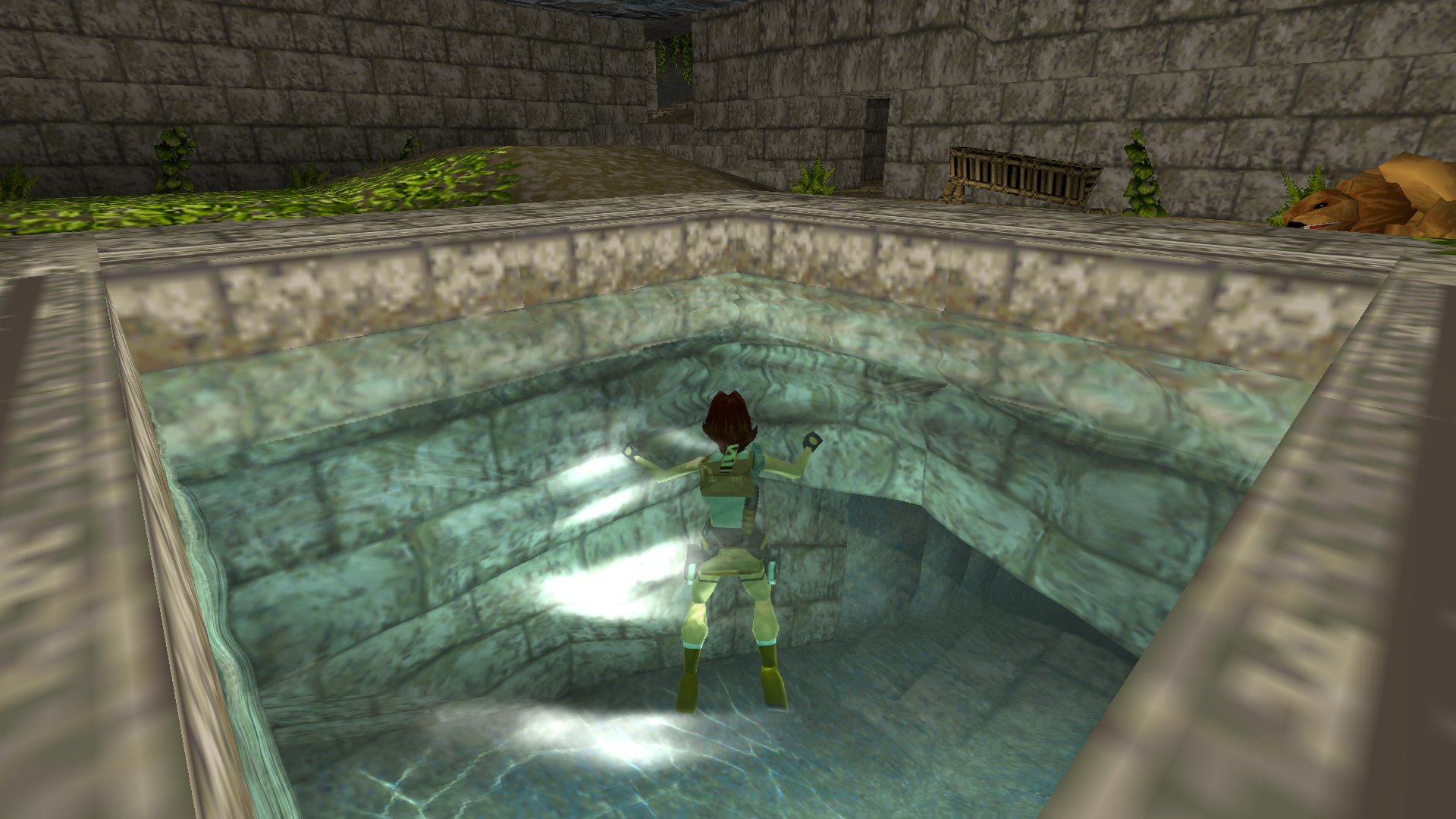
OpenLara is an early Tomb Raider game engine recreation.
Core available now for Windows/Linux.
For more information, read our article on this release here.
It uses the original data files in order to work. What is nice about this one is that it has some very fancy graphics effects added on top of the old game engine without it resulting in any stylistic clashes.
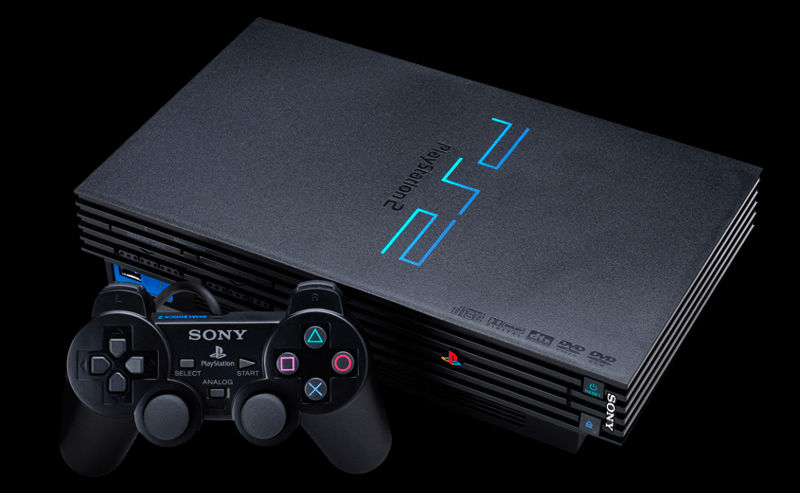
LRPS2 is a PlayStation2 emulator. It has a brand-new Vulkan-powered LLE renderer called ParaLLEl GS.
ParaLLEl-GS' goal is to be as accurate as software rendering but using the GPU instead of the CPU. Thanks to this we can also do enhancements which would be too slow to do on software, such as supersampled antialiasing and other enhancements.
For more information, read our article on this release here.
DOSBox Pure is an easy-to-use plug and play version of DOSBox written specifically for Libretro/RetroArch. It supports MS-DOS and Windows 9x games. You can use savestates and even rewind. Automatic game detection with custom gamepad to keyboard mapping for many DOS games.
For more information, read our article on this release here.
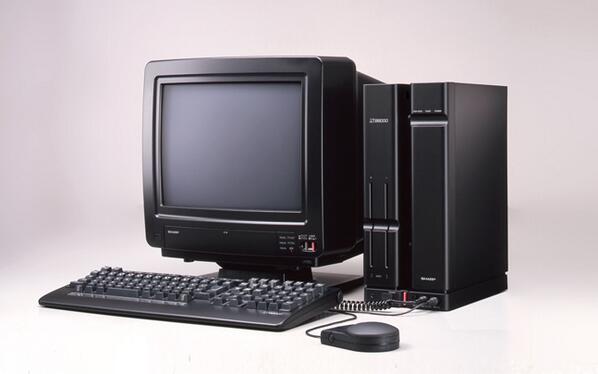
PX-68K is a Sharp X68000 emulator. This is a Japanese home computer from the late '80s/early '90s that was used by Capcom as devkits for their arcade games. It played host to many popular games from the likes of Namco, Konami and Capcom.
Core available now for Windows, macOS, Linux, Android and iOS.
For more information, read our article on this release here.
The year 2021 marked a monumental shift in the global digital landscape, serving as a massive catalyst for independent creators. Among those who successfully broke through the noise to establish a dominant online presence was Australian content creator and social media star .
The year 2021 served as a pivotal moment for digital personalities, and was among those carving a unique niche in the burgeoning landscape of online content, podcasting, and social media influence. Characterized by a blend of raw authenticity, personal storytelling, and a distinct aesthetic, the Dainty Wilder 2021 era is defined by early engagement, guest appearances, and building a community that resonated with her perspective .
Showcasing the beauty of the Australian landscape, from beaches to the outback.
During her teenage years, Dainty battled a severe eating disorder that nearly cost her her life. She was hospitalized many times and her schoolwork suffered greatly. A turning point came when she was about to outgrow the children's hospital ward. That realization was the catalyst she needed to focus on recovery, and she eventually finished her education at a community college.
As Dainty's camming career grew, she found herself subject to pressures from viewers pushing her to perform acts she wasn't comfortable with. This led to her making a pivotal decision in early 2021: she left camming behind to focus entirely on creating content for OnlyFans, a platform where she could maintain full creative control. dainty wilder 2021
Dainty Wilder 2021 is all about embracing individuality and self-expression. With her bold style, fearless attitude, and unwavering confidence, she continues to inspire fashion enthusiasts around the world. Whether you're a fan of edgy fashion or just looking for inspiration to take your style to the next level, Dainty Wilder is definitely someone to watch.
Her story reflects broader changes in how digital content creators can build wealth and careers outside traditional entertainment structures, and her continued evolution as a creator will be watched closely by industry observers and aspiring talents alike.
The Digital Revolution and Personal Branding: Analysing "Dainty Wilder 2021"
Dainty Wilder, an Australian-born creator from Sydney, began her journey into the digital limelight in early 2021. Her first Instagram post—a photo of her in a plaid skirt—marked the start of a social media presence that would eventually grow to over 1.8 million followers. Before her rapid rise to fame, Wilder was a university student and also worked as a tattoo artist. Breaking Financial Barriers The year 2021 marked a monumental shift in
Wilder's rapid rise was fueled by her unique ability to stand out in a highly competitive digital landscape. Instead of sticking strictly to standard glamour modeling, she built her brand around several distinct interests:
The Digital Shift: Dainty Wilder’s Career Evolution (2021) 1. Early Beginnings and University Life
You can find Dainty Wilder on various social media platforms:
Wilder is often cited as a prime example of the "new school" of modeling: Agency Representation : She is represented by Riley Reid’s Ash Agency Characterized by a blend of raw authenticity, personal
marked the breakout moment for Dainty Wilder , a prominent Australian social media personality and content creator. Her rise to fame serves as a compelling case study on the evolution of digital influence in the post-pandemic era. The 2021 Breakout Dainty Wilder began her journey as a public figure in early 2021 when she first started posting on her
In the vast, ephemeral archives of internet culture, certain search terms function less as queries and more as time capsules. The string of words “Dainty Wilder 2021” is one such artifact. To the uninitiated, it might evoke a forgotten indie musician or a botanical illustrator. To those familiar with the underground landscape of adult content creation, however, it marks a specific moment in the evolution of online intimacy, branding, and the precarious lifecycle of digital fame. Examining “Dainty Wilder 2021” is not merely an exercise in curiosity; it is an investigation into the peak visibility of a niche creator, the platform dynamics of the early 2020s, and the unique pressures that define a “micro-celebrity” in the adult industry.
“Still here. Still growing.”